


In the Amazon
Title:Supporting communities along one of the world’s longest rivers
Subtitle: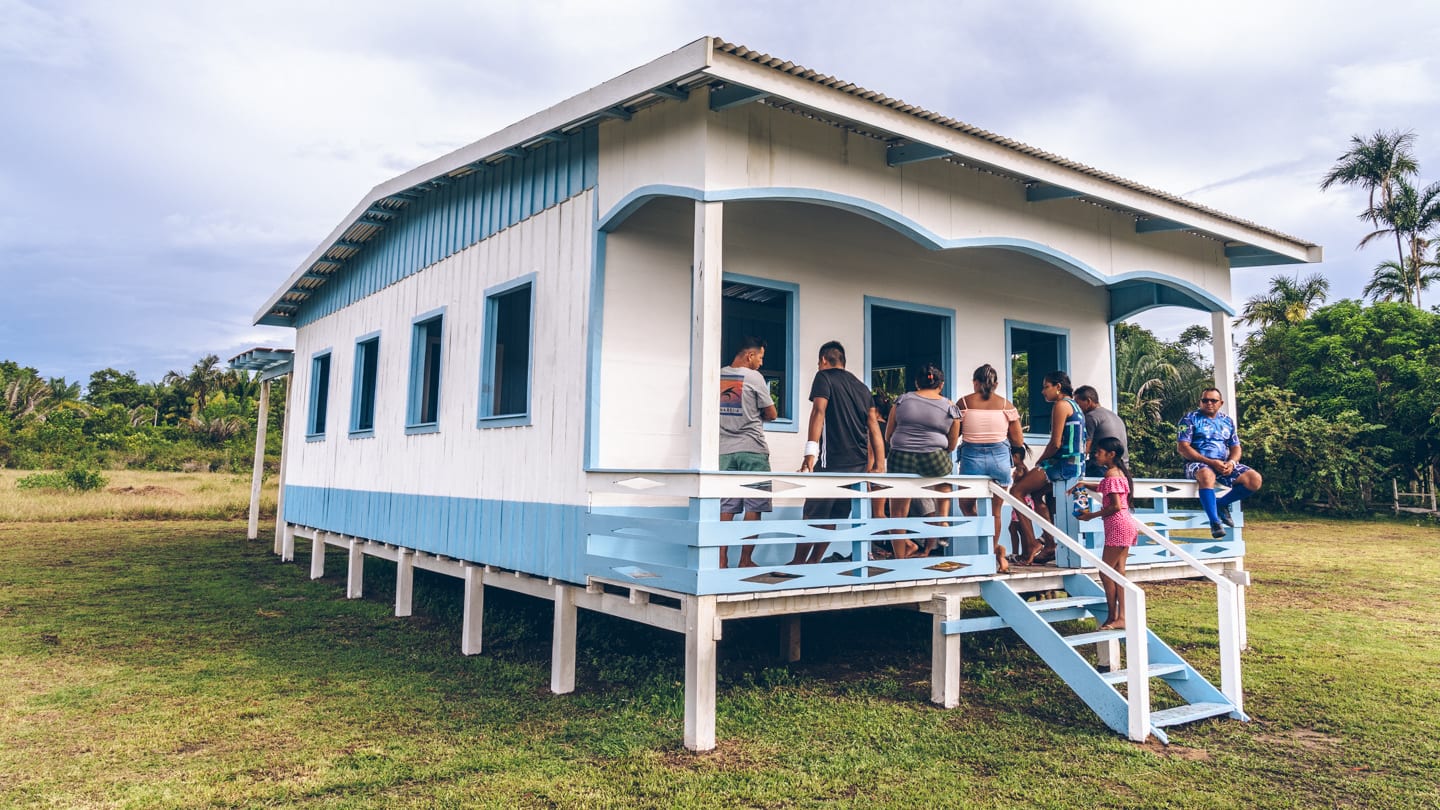
Eine Welt des Wassers
Title:Der Amazonas
Subtitle:
Der Amazonas schlängelt sich durch die obere Hälfte Südamerikas und ist bekannt für seine unglaubliche Länge (rund 6.800 km) und Bedeutung für die biologische Vielfalt und natürlichen Ressourcen. Tatsächlich stammen 20 % des weltweiten Süßwassers aus diesem beeindruckenden Fluss. Sowohl im Wasser als auch am Ufer leben unzählige Tier- und Fischarten. Ortsansässige und indigene Bevölkerungen sind auf den Fluss angewiesen, sowohl für Wasser und Nahrung als auch für Transport und Einkommen.
Leider besteht für die Menschen, die im Amazonasbecken leben, als auch die gesamte Welt die Gefahr, dass diese lebenswichtige Ressource verloren geht. Der Fluss fällt nämlich den Auswirkungen des Klimawandels und der Abholzung zum Opfer. Sollte der Amazons austrocknen, würden die Auswirkungen auf den Wasserkreislauf weltweit zu spüren sein.
Swarovski Waterschool Brasilien
Seit 2016 arbeitet die Swarovski Waterschool in Brasilien daran, den Amazonas sowie die anliegenden Gemeinden umzugestalten und zu schützen. In den ersten beiden Jahren wurde im Rahmen des Projekts eine pädagogische Methodik entwickelt und getestet, um die Verhaltens- und Vorgehensweisen bei der Wasseraufbereitung entlang des Flusses zu ändern. Dies umfasst 45 unterschiedliche experimentelle Aktivitäten, die sich auf die Themen Hygiene, Trinkwasserversorgung, Abwasserentsorgung sowie Wasserverbrauch und -verschmutzung konzentrieren.
Derzeit sind 28 ländliche Gemeinden Teil des Projekts – in diesen leben rund 3.715 Menschen. Innerhalb dieser Gemeinden ist die Swarovski Waterschool an 20 verschiedenen Schulen tätig. Jede Gemeinde befindet sich an einem Fluss oder See und ist nur per Boot erreichbar. In vielen dieser Gemeinden wird das Wasser üblicherweise direkt aus dem Fluss getrunken. Wenn das Wasser nicht richtig aufbereitet wird, kann dies zu gefährlichen Erkrankungen führen.
Zu Beginn des Programms hatten 14 dieser Schulen keinen Zugriff auf fließendes oder gespeichertes Wasser, 16 hatten keine Handwaschanlagen, 13 verfügten über keine Toiletten und sechs hatten kein Schulgebäude. Um diese Herausforderungen zu bewältigen, bestand der erste Schritt in diesem Projekt darin, die Infrastruktur dieser Schulen zu verbessern bzw. neu aufzubauen. Dazu zählten der Bau von Toiletten, die Einrichtung neuer Filtersysteme, die das Regenwasser sammeln und hinauspumpen, sowie die Renovierung der Wassersysteme in den Schulen. In fast allen Fällen haben die Verbesserungen in den Schulen auch Vorteile für das umliegende Dorf gebracht, denn die Gemeindemitglieder haben diese Aufbereitungsmethoden des Wassers auch in ihren eigenen Häusern implementiert.
Derzeit hat das Projekt 454 Lehrer im Bundesstaat Amazonas ausgebildet. Das langfristige Ziel ist es, eine Vielzahl an Gemeinden zu unterstützen, die eine nachhaltige Wasserbewirtschaftung betreiben. Diese verbessert die Gesundheit und den Lebensstandard der an den Fluss grenzenden Gemeinden – sowie auch die Vitalität des Amazonas.
Leider besteht für die Menschen, die im Amazonasbecken leben, als auch die gesamte Welt die Gefahr, dass diese lebenswichtige Ressource verloren geht. Der Fluss fällt nämlich den Auswirkungen des Klimawandels und der Abholzung zum Opfer. Sollte der Amazons austrocknen, würden die Auswirkungen auf den Wasserkreislauf weltweit zu spüren sein.
Swarovski Waterschool Brasilien
Seit 2016 arbeitet die Swarovski Waterschool in Brasilien daran, den Amazonas sowie die anliegenden Gemeinden umzugestalten und zu schützen. In den ersten beiden Jahren wurde im Rahmen des Projekts eine pädagogische Methodik entwickelt und getestet, um die Verhaltens- und Vorgehensweisen bei der Wasseraufbereitung entlang des Flusses zu ändern. Dies umfasst 45 unterschiedliche experimentelle Aktivitäten, die sich auf die Themen Hygiene, Trinkwasserversorgung, Abwasserentsorgung sowie Wasserverbrauch und -verschmutzung konzentrieren.
Derzeit sind 28 ländliche Gemeinden Teil des Projekts – in diesen leben rund 3.715 Menschen. Innerhalb dieser Gemeinden ist die Swarovski Waterschool an 20 verschiedenen Schulen tätig. Jede Gemeinde befindet sich an einem Fluss oder See und ist nur per Boot erreichbar. In vielen dieser Gemeinden wird das Wasser üblicherweise direkt aus dem Fluss getrunken. Wenn das Wasser nicht richtig aufbereitet wird, kann dies zu gefährlichen Erkrankungen führen.
Zu Beginn des Programms hatten 14 dieser Schulen keinen Zugriff auf fließendes oder gespeichertes Wasser, 16 hatten keine Handwaschanlagen, 13 verfügten über keine Toiletten und sechs hatten kein Schulgebäude. Um diese Herausforderungen zu bewältigen, bestand der erste Schritt in diesem Projekt darin, die Infrastruktur dieser Schulen zu verbessern bzw. neu aufzubauen. Dazu zählten der Bau von Toiletten, die Einrichtung neuer Filtersysteme, die das Regenwasser sammeln und hinauspumpen, sowie die Renovierung der Wassersysteme in den Schulen. In fast allen Fällen haben die Verbesserungen in den Schulen auch Vorteile für das umliegende Dorf gebracht, denn die Gemeindemitglieder haben diese Aufbereitungsmethoden des Wassers auch in ihren eigenen Häusern implementiert.
Derzeit hat das Projekt 454 Lehrer im Bundesstaat Amazonas ausgebildet. Das langfristige Ziel ist es, eine Vielzahl an Gemeinden zu unterstützen, die eine nachhaltige Wasserbewirtschaftung betreiben. Diese verbessert die Gesundheit und den Lebensstandard der an den Fluss grenzenden Gemeinden – sowie auch die Vitalität des Amazonas.
Einige Schulen im Amazonas erhielten erstmals Toiletten und Waschstationen.
Title:


São Raimundo – von Nichts zum Trinkwasser
Title:
Manchmal gibt es keine bereits bestehende Lösung, die den örtlichen Gegebenheiten entspricht – weswegen die Swarovski Waterschool eine entwickeln muss. In São Raimundo wurde zunächst eine Lösung für die Wassergewinnung und -verteilung benötigt.
Bis November 2020 hat die indigene Bevölkerung von São Raimundo ihr Wasser direkt aus dem See geschöpft. Dabei haben Frauen und Kinder das Wasser in Kübeln auf steilen Pfaden hinauf und hinunter getragen. Dies war nicht nur sehr mühsam, sondern hat auch zu einer Ungleichheit zwischen den Geschlechtern geführt.
Die Swarovski Waterschool liess sich von den Ideen des Gemeindeoberhaupts inspirieren und installierte Wasserhähne in jedem Haus, um die Herausforderung zu bewältigen. Diese Wasserhähne führten jedoch zu einem neuen Problem: Die Pumpe für die Hähne wurde mit Dieselkraftstoff betrieben, dessen Wartung für die Gemeinde teuer war. Außerdem wurde das Wasser auch weiterhin ohne eine angemessene Aufbereitung genutzt.
Im Folgejahr schloss sich eine Gruppe von Ingenieuren dem Projekt an, um ein System zu entwickeln, das das Wasser mit Solarenergie pumpt – und auch filtert und reinigt, so dass es trinkbar wird.
Bis November 2020 hat die indigene Bevölkerung von São Raimundo ihr Wasser direkt aus dem See geschöpft. Dabei haben Frauen und Kinder das Wasser in Kübeln auf steilen Pfaden hinauf und hinunter getragen. Dies war nicht nur sehr mühsam, sondern hat auch zu einer Ungleichheit zwischen den Geschlechtern geführt.
Die Swarovski Waterschool liess sich von den Ideen des Gemeindeoberhaupts inspirieren und installierte Wasserhähne in jedem Haus, um die Herausforderung zu bewältigen. Diese Wasserhähne führten jedoch zu einem neuen Problem: Die Pumpe für die Hähne wurde mit Dieselkraftstoff betrieben, dessen Wartung für die Gemeinde teuer war. Außerdem wurde das Wasser auch weiterhin ohne eine angemessene Aufbereitung genutzt.
Im Folgejahr schloss sich eine Gruppe von Ingenieuren dem Projekt an, um ein System zu entwickeln, das das Wasser mit Solarenergie pumpt – und auch filtert und reinigt, so dass es trinkbar wird.
Die Schüler und Schülerinnen genießen das Wasser aus den solarbetriebenen Anlagen für die Wasseraufbereitung.
Title:


Uixi-Gemeinde – Chancen für die jüngere Generation
Title:
Im Bundesstaat Amazonas sind die Jugendlichen der Uixi Gemeinde eine besonders gefährdete Gruppe, da es für sie an Arbeitsmöglichkeiten vor Ort mangelt. Aus diesem Grund müssen viele junge Leute weit weg in Städte ziehen, um zu studieren oder eine Arbeit zu finden.
Im Jahr 2018 begann das Swarovski Waterschool Projekt, sich auf die Stärkung der Führungsqualitäten der jugendlichen Uixi zu konzentrieren. Außerdem wurde in Initiativen von den Jugendgruppen investiert. Nach der Teilnahme an Swarovski Waterschool Schulungsprogrammen bildeten die Jugendleiter Aktionsgruppen, die Wasserinitiativen in ihren Gemeinden umsetzten und zur Aufklärung zum Thema Wasser in umliegenden Gebieten beitrugen.
„[We taught] ihnen über Abfall und Wasser. Während unserer Reisen konnten wir sehen, dass sie das Gelernte in die Praxis umsetzten. Sie haben eine Mülldeponie gebaut, die die Gemeinde sauberer machte.“
– Jorlaine, Uixi Gemeinde Jugendgruppenmitglied/-leiterin
Im Jahr 2018 begann das Swarovski Waterschool Projekt, sich auf die Stärkung der Führungsqualitäten der jugendlichen Uixi zu konzentrieren. Außerdem wurde in Initiativen von den Jugendgruppen investiert. Nach der Teilnahme an Swarovski Waterschool Schulungsprogrammen bildeten die Jugendleiter Aktionsgruppen, die Wasserinitiativen in ihren Gemeinden umsetzten und zur Aufklärung zum Thema Wasser in umliegenden Gebieten beitrugen.
„[We taught] ihnen über Abfall und Wasser. Während unserer Reisen konnten wir sehen, dass sie das Gelernte in die Praxis umsetzten. Sie haben eine Mülldeponie gebaut, die die Gemeinde sauberer machte.“
– Jorlaine, Uixi Gemeinde Jugendgruppenmitglied/-leiterin
Die Uixi-Führungsprogramme für Jugendliche informieren über die Bedeutung von Wasseraufbereitung und Nachhaltigkeit.
Title:


Eliana da Silva – von der Schülerin zur Lehrerin
Title:
Eliana da Silva ist von Anfang an ein Teil des Swarovski Waterschool Projekts in Brasilien gewesen. Als Schülerin nahm sie bereits an den Workshops in ihrer Schule und den Führungsprogrammen für Jugendliche teil. Dort half sie bei der Koordinierung der Jugendgruppen in ihrer Gemeinde. Im Jahr 2021 brachte sie gemeinsam mit sechs weiteren Mitgliedern Kampagnen für die Aufklärung über Wasser und die Abfallentsorgung in drei andere Gemeinden des Amazonasbeckens.
Das Erlebnis mit dem Swarovski Waterschool Projekt hat Da Silva dazu inspiriert, selbst aus Ausbilderin tätig zu werden. Sie war die erste Person in ihrer Gemeinde, die als Lehrerin eingestellt wurde und in einer Schule vor Ort arbeitet.
„Dieses Projekt war ein einzigartiges Erlebnis – nicht nur in meinem Leben, sondern auch im Leben aller, die daran teilgenommen haben. Das ist etwas, das wir nie vergessen werden. Dieses Projekt hat mir dabei geholfen, meinen Traumberuf zu entdecken: Lehrerin zu sein.“
– Eliana da Silva
Lesen Sie mehr über das Engagement von Swarovski.
Oder besuchen Sie das Swarovski Waterschool Programm.
Das Erlebnis mit dem Swarovski Waterschool Projekt hat Da Silva dazu inspiriert, selbst aus Ausbilderin tätig zu werden. Sie war die erste Person in ihrer Gemeinde, die als Lehrerin eingestellt wurde und in einer Schule vor Ort arbeitet.
„Dieses Projekt war ein einzigartiges Erlebnis – nicht nur in meinem Leben, sondern auch im Leben aller, die daran teilgenommen haben. Das ist etwas, das wir nie vergessen werden. Dieses Projekt hat mir dabei geholfen, meinen Traumberuf zu entdecken: Lehrerin zu sein.“
– Eliana da Silva
Lesen Sie mehr über das Engagement von Swarovski.
Oder besuchen Sie das Swarovski Waterschool Programm.
Eliana da Silva teilt ihr Fachwissen und ihre Kenntnisse mit den Mitgliedern einer Gemeinschaft.
Title:
