16만원 이상 구매 시 무료 배송

다이아몬드 4C가 무엇인가요?

Title:

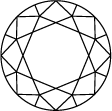
전 세계적으로 권위를 인정받는 기준인 4C는 다이아몬드의 세계를 이끄는 하나의 등대와도 같습니다. 컬러(Color), 컷(Cut), 캐럿(Carat), 투명도(Clarity)를 통해 스톤이 가지고 있는 품질과 가치를 결정하는 역할을 하죠. 이러한  랩그로운 다이아몬드를 국제 보석 연구소(IGI)에서 이러한 4C에 따른 등급을 매겼습니다. Swarovski Created Diamonds에서 만나볼 수 있는 랩그로운 다이아몬드는 최고의 품질을 자랑합니다. 컬러는 G+, 투명도는 VS+.

Immagini concettuali di anelli con diamanti creati in laboratorio

Che cos’è la purezza del diamante?

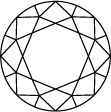
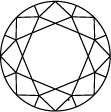
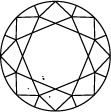
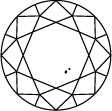
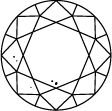
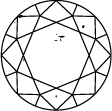
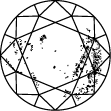
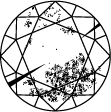
La purezza del diamante è una valutazione della perfezione della pietra classificata in base alla visibilità di due tipi di caratteristiche: inclusioni e imperfezioni. Per valutarne la purezza, il diamante viene esaminato con una lente di ingrandimento 10x. Il numero e la natura delle caratteristiche esterne (imperfezioni) e interne (inclusioni), nonché la loro dimensione e posizione, determinano il grado di purezza.

Parametri e fattori di purezza

Title:

La purezza di un diamante creato in laboratorio dipende dai suoi difetti, ovvero dalle inclusioni e dalle imperfezioni che gli conferiscono una personalità ed un fascino unici. Scopri di più sulla purezza del diamante qui di seguito.

PRIVI DI DIFETTI INTERNI

Il massimo grado di purezza di un diamante è una pietra priva di difetti interni (IF) Questi diamanti sono incredibilmente rari e la maggior parte delle pietre, che vengano estratte in miniera o create in laboratorio, presenta inclusioni.

A occhio nudo

Sebbene quasi tutti i diamanti presentino imperfezioni, quelli classificati tra I.F. e SI 2 presentano inclusioni non visibili a occhio nudo, ma solo mediante ingrandimento.

Tipi di inclusione

I diversi tipi di inclusione di un diamante comprendono le inclusioni a fessura (“piuma”), puntiforme, a nuvola e metalliche. Le inclusioni metalliche si riscontrano esclusivamente nei diamanti creati in laboratorio.

UN’ILLUSIONE OTTICA

Inclusioni e imperfezioni possono influenzare il modo in cui un diamante riflette e assorbe la luce.

I.F.
Internally flawless (privo di inclusioni interne)
VVS 1
VVS 2
Very very slightly included (inclusioni estremamente piccole)
VS 1
VS 2
Very slightly included (inclusioni molto piccole)
SI 1
SI 2
Slightly included (inclusioni piccole)
I 1
I 2
I3
Included (inclusioni)

Diagramma di purezza del diamante

Title:

Scala e gradi di purezza del diamante

Subtitle:

La scala di purezza del diamante va da I.F a I3 e si basa sul numero di inclusioni e imperfezioni riscontrate in ogni pietra. I gradi di purezza del diamante sono determinati in condizioni di visualizzazione standard con lente di ingrandimento 10x. La categoria I.F indica un diamante privo di inclusioni interne mentre, all’altra estremità del diagramma di purezza del diamante, I3 indica l’inclusione di un’imperfezione visibile. I diamanti completamente privi di inclusioni sono estremamente rari. Quasi tutte le pietre, compresi i diamanti creati in laboratorio, presentano inclusioni di qualche tipo.

Diagramma e simmetria del taglio del diamante

Che cos’è il taglio del diamante?

Il taglio si riferisce al modo in cui le sfaccettature del diamante interagiscono con la luce per rivelarne il fulgore interiore. Il taglio conferisce ad ogni pietra una personalità unica, mentre il perfezionamento delle proporzioni, la simmetria e le angolazioni tagliate con precisione dei diamanti creati in laboratorio conferiscono loro una brillante lucentezza.

Parametri e fattori di taglio

Title:

La qualità del taglio di un diamante creato in laboratorio è determinata dalle sue proporzioni, dalla sua simmetria e dalla sua lucidatura. Un taglio a regola d'arte crea molteplici sfaccettature che assorbono e riflettono la luce e fanno brillare la da ogni angolazione.

MAXIMALE BRILLANZ

Ein perfekt symmetrischer Diamantschliff hat symmetrische Facetten, die das Licht am intensivsten reflektieren und somit für kraftvolle Brillanz sorgen.

DIAMANTSCHLIFF-SKALA

Diamantschliffe werden vom IGI auf einer Skala von hervorragend bis schlecht eingestuft. Ein hervorragender Schliff gelingt nur mittels technischem Können, Kunstfertigkeit und Expertise.

FACETTENREICH

Eine Facette bezeichnet die einzelnen ebenen Flächen, die einen geschliffenen Diamanten ausmachen und die das Licht jeweils unterschiedlich absorbieren und reflektieren.

DER BESTE SCHLIFF

Die Platzierung auf der Diamantschliff-Skala hängt von Proportionen, Symmetrie und Politur ab, doch diese Diamanten bereiten auch ganz unabhängig von ihrem Schliff Freude.
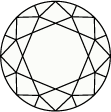
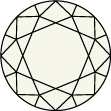
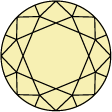
Hochfeines Weiß
D–F
Feines Weiß
G–J
Leicht getöntes Weiß
K–M
Schwach gelblich
N–R
Schwach Gelb
S–Z

Farbskala für Diamanten

Die Farbe eines Diamanten wird auf einer Skala von D bis Z bewertet, wobei D für Clear Ice White (hochfeines Weiß) steht, ohne Gelbstich und Z für Gelb- und Brauntöne (getöntes Weiß). Die einzelnen Buchstaben der Skala bezeichnen Farbtöne, wobei D bis F farblos sind, bis hin zu S und Z, die für hellgelbe oder braune Farbtöne stehen. Für seine Kollektionen akzeptiert Swarovski nur die feinsten im Labor gezüchteten Diamanten, das heißt, sie befinden sich in der Palette von Farblos bis Fast farblos (D–G).

Farbprinzipien und Faktoren

Title:
Farblose Steine sind die begehrtesten in der Welt der Diamanten, da sie sehr selten sind. Die Diamanten der Swarovski Created Diamonds Kollektion werden basierend auf der Standard-Farbskala für Diamanten bewertet.

FARBLOSE DIAMANTEN

Wahrhaftig farblose Diamanten sind sehr selten. D-Diamanten zeichnen sich durch hochfeines Weiß aus, wobei es sich um die teuerste Diamantenfarbe handelt.

FINDEN SIE IHREN FARBTON

Allerdings ist es nicht immer das wichtigste Kriterium bei der Auswahl eines Diamanten, eine D-Qualität zu finden. Vielleicht passt ein warmes Weiß besser zu Ihrem persönlichen Stil als ein kühles Weiß.

KONTROLLIERTE BEWERTUNG

Die Farbstufen jedes einzelnen Diamanten werden in einem Labor mit kontrolliertem Licht untersucht, wobei der Stein auf die Tafel gelegt und mit Master-Beispielen verglichen wird.

MÄNGEL

 Im Labor gezüchtete Diamanten weisen keine vorsätzlichen Mängel auf und keine Farbbeeinträchtigungen aufgrund der Verwendung von minderwertigen Kohlenstoffkeimen.

What is diamond carat weight?

A carat is a unit of weight used specifically to measure precious stones including laboratory grown diamonds. A diamond may have a higher carat weight without appearing larger, and two diamonds of the same carat weight can vary in size if one is cut deeper than the other. One carat weighs 1/5 of a gram and is divided into 100 points.
2.5 mm
0.05 CT
3.0 mm
0.10 CT
3.8 mm
0.20 CT
4.5 mm
0.30 CT
4.8 mm
0.40 CT
5.2 mm
0.50 CT
5.8 mm
0.70 CT
6.3 mm
0.90 CT
6.5 mm
1.00 CT
6.9 mm
1.25 CT
7.4 mm
1.50 CT
7.8 mm
1.75 CT
8.2 mm
2.00 CT
8.8 mm
2.50 CT
9.4 mm
3.00 CT

Diamond Carat Weight

Title:

Laboratory Grown Diamond Carat Scale

Subtitle:
The carat measurement is derived by the word ‘carob’, a seed that was used as a diamond weight reference for traders in the ancient world. Carats are an international standard unit of measurement for the weight of a diamond. One carat is equal to 200 milligrams, so a 5 carat diamond will weigh one gram. The diamond carat does not refer to the size of a stone, simply how much it weighs. Diamonds usually become more expensive as their carat increases.
Discover Swarovski Created Diamonds
man made diamonds impressionistic imagery

All About Swarovski Created Diamonds

Title:

Laboratory Grown Diamonds

Subtitle:
Discover the world of Swarovski Created Diamonds jewelry, redefining the future of diamonds with exceptional collections that bridge the gap between tradition and current trends. From the otherworldly brilliance of our interstellar collection to the pure elegance of our signature pieces, find a style that will last a lifetime.
synthetic diamonds abstract imagery

Laboratory Grown Diamonds Buying Guide

Title:

Find the perfect piece

Subtitle:
A natural progression of our brand DNA, Swarovski Created Diamonds jewelry are laboratory grown diamonds, masterfully cut, intensely bright, and identical to their mined counterparts in every way but origin. Formed layer by layer​ from a carbon seed, they serve as a flawless reflection of nature’s radiance.
Necklaces with diamonds

What are Laboratory Grown Diamonds?

Title:

Laboratory Grown Diamonds explained

Subtitle:
Find out more about diamonds that are grown in a laboratory, and how the process of replicating the way diamonds are formed in the earth is achieved. Discover the different cuts of diamonds in the Swarovski Created Diamond Collections, as well as the inspiration behind the designs.

Frequently asked questions

Diamond 4Cs FAQs

What are the 4Cs?

Every diamond varies slightly from the next and has its own individual distinguishing characteristics. Laboratory grown diamonds are 100% diamonds, and just like mined diamonds our laboratory grown diamonds are evaluated according to the 4Cs of diamond grading. The 4Cs are color, clarity, cut and carat weight, and they are the globally accepted standards used to assess the quality of diamonds.

Is diamond clarity important?

The higher the clarity grading, the less inclusions or blemishes a diamond has, making it a higher-value diamond than one with a lower grading.

What is the highest diamond clarity?

Diamond clarity is a measure of the purity of the stone graded by the visibility of two types of characteristics - inclusions and blemishes. 
In order to assess clarity, the diamond is inspected under 10x power magnification. The number and nature of external (blemishes), and internal characteristics (inclusions), as well as their size and position, determine the grade. 
Gemologists grade diamonds from Internally Flawless (IF) as the highest quality to Included (I3).

Are laboratory grown diamonds flawless?

No, nearly all diamonds (mined or laboratory grown) have inclusions. Metallic inclusions can occur in laboratory grown diamonds. If an expert spots a trace of metal in a diamond, they can assume it is laboratory grown. While laboratory grown diamonds with defects do exist, Swarovski only uses high quality laboratory grown diamonds certified by the International Gemological Institute (IGI) according to the 4Cs to ensure that only the finest quality diamonds join the Swarovski Created Diamond collections.

Do laboratory grown diamonds get cloudy?

No, laboratory-grown diamonds do not get cloudy over time. They are 100% identical to diamonds with the same physical and chemical properties, and should not degrade or change appearance over time. Where poor quality diamond seeds have been used, some laboratory-grown diamonds contain obvious defects, such as color tinges from impurities in the diamond or crystal structure imperfections. The laboratory grown diamonds processed in Swarovski Created Diamonds jewelry are a very high quality standard and do not have unnatural, problematic characteristics.

How are laboratory grown diamonds certified and graded?

The laboratory grown diamonds processed in Swarovski Created Diamonds jewelry are hand-selected and examined by experienced gemologists to ensure they fulfill our high quality standards.  Every piece of jewelry in the Galaxy and Eternity collections is accompanied with a digital laboratory report from the International Gemological Institute (IGI). 

What are diamond facets?

Diamond facets refer to each flat surface that creates the shape of a diamond. Every diamond possesses multiple facets that enable it to absorb and reflect light.

How is diamond cut quality determined?

We often think of a diamond’s cut as shape (round, heart, oval, marquise, pear), but what diamond cut actually does mean is how well a diamond’s facets interact with light.  The cut of a diamond is the measure of the quality of the shape, geometry and finish of the diamond.  Round brilliant diamonds receive a formal cut grade on a scale from Ideal (the best) to Poor.  Swarovski is uncompromising on cut quality to ensure all of our laboratory grown diamonds have optimal light performance and sparkle.

What is the best diamond cut?

Cut refers to how a diamond’s facets interact with light to reveal its internal fire. It is the cut that gives each diamond its personality, and perfecting laboratory grown diamonds proportions, symmetry, and precision-cut angles of Swarovski Created Diamonds gives them their brilliant shine. The best cut has a balance between the width and depth to create symmetry, neither to shallow nor to deep. Creating the perfect refraction point for light through the diamond, reflecting it within the diamond and highlighting its polished brightness.

How is a diamond’s color determined?

Color refers to the natural tint inherent in white diamonds. The industry standard for grading color is to evaluate each diamond against a master set then assign a letter grade from D (colorless) to Z (light yellow). 
The closer the diamond is to being colorless, the higher its quality.

Do laboratory created diamonds have blemishes?

Where poor quality diamond seeds have been used, some laboratory-grown diamonds contain obvious defects, such as color tinges from impurities or structural imperfections. Swarovski does not sell laboratory grown diamonds with unnatural, problematic characteristics.

What is diamond carat weight?

A carat is a unit of weight used specifically to measure precious stones including laboratory grown diamonds. A diamond may have a higher carat weight without appearing larger, and two diamonds of the same carat weight can vary in size if one is cut deeper than the other. One carat weighs 1/5 of a gram and is divided into 100 points.

What is the carat weight of a diamond, how is it measured and how important is it?

Carat weight it the standard weight unit for diamonds, and the first step in the grading process. Diamond carat weight is the measurement of how much the diamond weighs. Each carat can be subdivided into 100 “points.”  This allows precise measurements to the hundredth decimal place. The weight of a diamond smaller than one carat may be described by its “points” alone. The larger the diamond is, the more carats it will be, but only you can decide how important that is to you.

Is it better to have a higher carat diamond?

This is an entirely personal question. If you are looking for a larger diamond, you should look for a higher carat, as this indicates the weight and therefore the size of the diamond.